Operations
QR Table Ordering for UK Restaurants: A 2026 Practical Guide
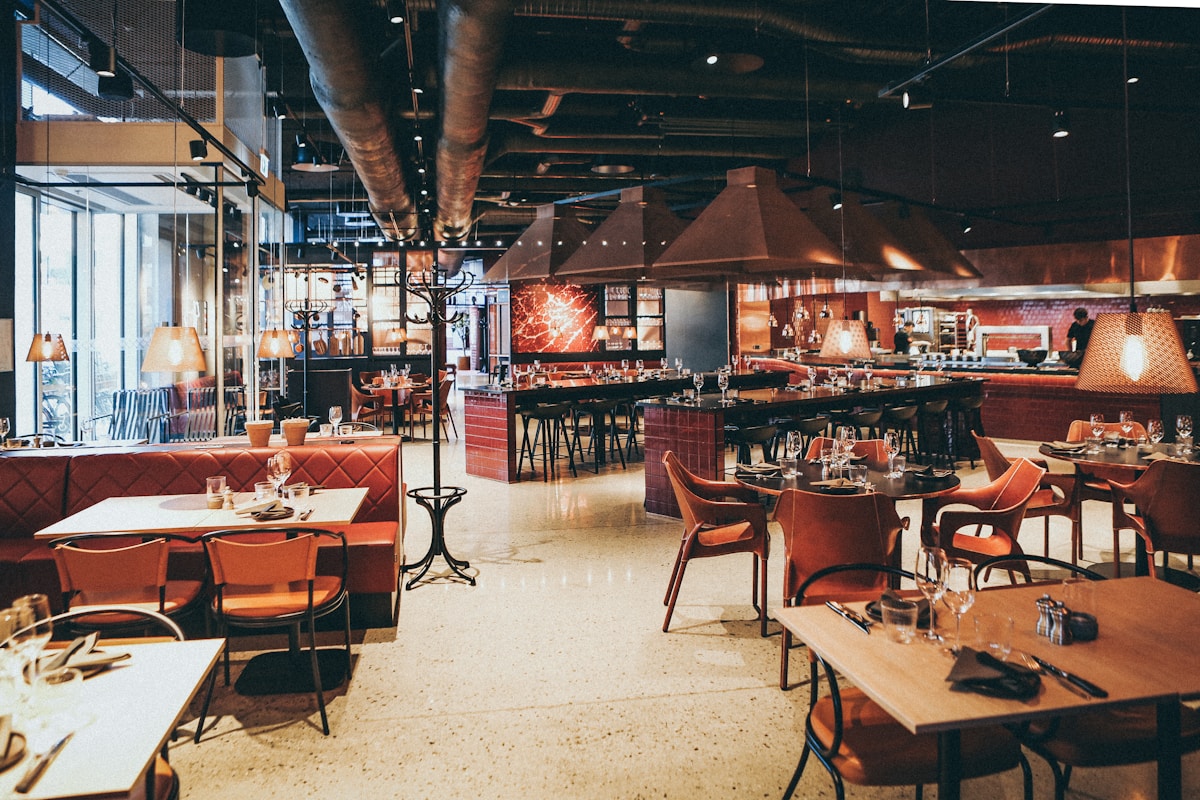
QR table ordering moved from a pandemic-era novelty to a permanent fixture in UK hospitality. Done well it lifts average basket by 20% to 30%, cuts staff overhead by roughly 40%, and improves customer satisfaction. Done badly it feels cold and chases away regulars. This guide explains the maths, the operations, and the trade-offs.
How QR table ordering actually works
The customer sits down, scans a QR code printed on the table or laminated on a stand, and the QR opens a web link to your branded ordering page (no app download required). They browse the menu, customise items, add to cart, pay with Apple Pay, Google Pay, or card, and the order lands in the kitchen ticket printer or on a kitchen display screen. A staff member walks the food out. That is the whole flow.
There is no card machine. There is no waiting to flag down a server. There is no "can we get the bill, please" awkwardness at the end of the meal. The customer paid when they ordered, so they leave when they want.
Why average basket goes up 20% to 30%
This is the most-replicated finding in restaurant tech research. Three reasons, all behavioural.
- No social cost to adding items. Asking a server for a second drink feels like asking for a favour. Tapping "add" on a screen costs nothing emotionally. Average drinks-per-cover rises sharply with QR ordering, particularly in pubs and cafes.
- Better upsell. The screen shows a "you might also like" prompt at checkout with photos and prices. A server can do this but rarely does it consistently. Software does it every time.
- Larger groups order more. With QR ordering, every person at a table of six orders for themselves on their own phone. With server ordering, one person typically reads out the table's order and forgets things or rounds down.
Why staff usually like it (eventually)
The fear among restaurant owners is that staff will see QR ordering as a threat. In practice the opposite happens, after a short adjustment period.
- Staff stop being human order-takers and become hosts. They greet, recommend, and resolve issues, which is what they enjoy doing.
- Tips on QR ordering are usually structured (10%, 12.5%, 15% prompts at checkout). Tip totals frequently go up, not down.
- On busy nights, fewer staff are needed for the same coverage. Some restaurants restructure to better-paid, fewer staff per shift.
Pro tip: keep at least one server on every shift who only checks in on tables (not orders). This is the operational difference between QR ordering that customers love and QR ordering that feels cold.
Where QR table ordering does not fit
Two cases. First, high-end dining where the experience is the product. A chef's tasting menu does not need a QR code; the menu and the server are part of the show. Second, very low-volume venues where the QR cost (£0 in software with Aexir, but £5 to £10 per laminated table card) does not yet pay back.
For pubs, gastropubs, cafes, curry houses, kebab shops, pizzerias, and most casual dining, the ROI is overwhelming.
Cost: less than you would expect
The software for QR table ordering is bundled into most modern restaurant app platforms. Aexir includes it in the standard subscription at £31 per month. You do not pay extra for QR ordering specifically. The only marginal cost is physical: printing the QR codes onto laminated cards or menu inserts (typically £2 to £8 per table at a UK print shop).
Hardware: you need a way to receive orders in the kitchen. Either a thermal printer (£199 from Aexir) or a tablet on the kitchen pass running the order dashboard (£149 plus a stand). Most restaurants prefer the printer.
A two-week rollout plan
- Week 1, day 1 to 3: Set up the QR ordering inside your branded ordering app. Test 20 to 30 dummy orders. Verify the kitchen printer receives them correctly. Print one QR card and stick it on the staff break-room table.
- Week 1, day 4 to 5: Train all front-of-house staff. The training is ten minutes: how to refund an order from the dashboard, how to add a table that the QR was missed at, how to add notes.
- Week 1, day 6 to 7: Soft launch on two or three tables only. Watch what happens. Fix anything that confuses customers (usually placement of the QR card).
- Week 2: Roll out to all tables. Print and laminate proper QR cards. Add a one-line note on the menu: "Scan to order, or ask a server".
Common mistakes to avoid
- Removing all servers. The point is to free staff up, not replace them. Tables left entirely to QR ordering feel forgotten.
- Forcing QR on customers who prefer to order with a server. Always offer both. The fastest way to lose a regular is to make them feel old.
- Putting the QR code in a hard-to-find place. Top right of the table, in a small stand, with a clear "Order here" label.
- Not localising for sit-down vs takeaway. QR table ordering needs a table number. Make sure each QR encodes its table.
- No printed menu backup. Phones die. Keep one printed menu per table behind the bar.
Built-in QR table ordering, no extra subscription.
Every Aexir branded app includes QR table ordering, multi-table support, and printer integration.
See all featuresCommon questions answered.
No. QR table ordering opens a mobile web page; customers can order, customise, and pay without downloading anything. Apple Pay and Google Pay are supported natively in-browser. Customers who want loyalty rewards can sign in or download your branded app, but it is never required for a single order.
On Aexir, QR table ordering is included in the standard £31 per month subscription. The only direct cost is the physical QR card on each table (£2 to £8 from a UK print shop). A thermal printer for the kitchen costs £199 from Aexir or you can use a tablet you already own.
No. The smart pattern is to keep servers focused on hosting, recommending, and resolving issues, while QR handles order-taking. Tables left entirely to QR ordering feel cold and lose regulars. The right ratio shifts staffing toward fewer, better-trained, and better-paid front-of-house roles.
Yes, and gastropubs see some of the highest gains. Customers stay at their table, order another round through the QR, and the bar staff focus on prep rather than waiting for a queue. Drinks-per-cover typically rises 25% to 40%.
Two options. Either a thermal receipt printer (Aexir bundles one at £199) prints the order ticket the moment the customer pays, or a tablet on the kitchen pass shows incoming orders on a dashboard. Most restaurants prefer the printer for resilience.
Build your own restaurant app.
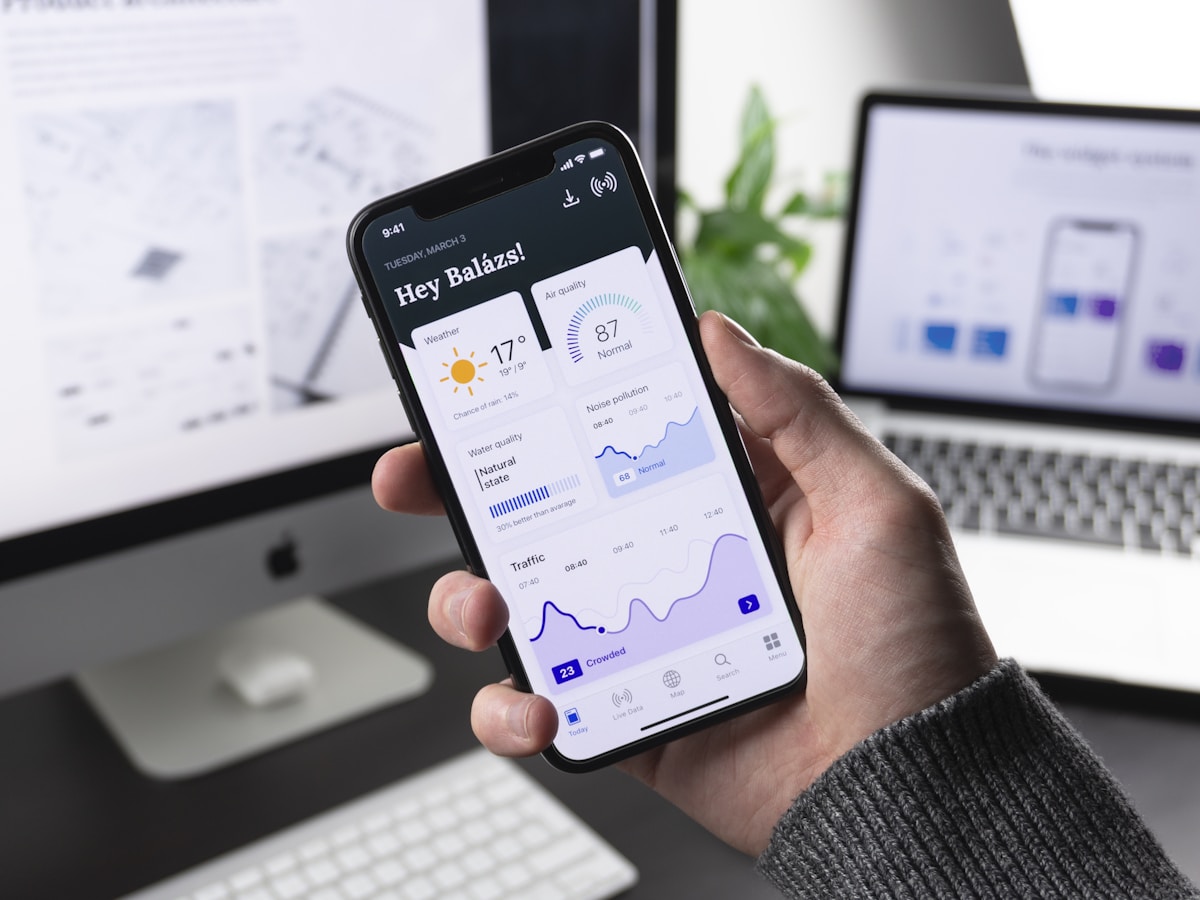
Aexir launches branded ordering apps for UK restaurants in under 30 days. No marketplace commission. From £1/day.