Operations
Multi-Location Restaurant Ordering in One App
Going from one location to three is the hardest expansion phase a UK restaurant group will hit. The systems built for one site fall over the moment a customer needs to choose between locations, prices diverge between sites, or marketing wants a group-wide push notification. This guide covers what a multi-location ordering app should do, what to watch for, and how the maths shifts when you have 3+ sites.
What multi-location actually means for an ordering app
A multi-location ordering app needs to handle six things cleanly that single-site apps do not.
- Location picker on first open. Customers see a list of nearby sites (or a map) and pick where they want to order from. The picker should default to their nearest site by geolocation.
- Per-site menus. Site A might serve breakfast, Site B might not. Items can be common but availability per site needs to vary.
- Per-site pricing. London and Manchester sites sometimes price differently. The system has to support it without forcing two separate apps.
- Per-site opening hours. Site A is open until 11pm, Site B until 9pm. The order flow needs to respect each site's hours.
- Group-wide loyalty. A customer earning Bronze at Site A should not lose that progress at Site B. Loyalty is at the customer level, not the site level.
- Group analytics + per-site analytics. The manager of Site C sees their orders; the owner sees all three.
The decision: one app or multiple apps?
For a restaurant group with the same brand across all locations (think Honest Burgers, Pizza Pilgrims, Patisserie Valerie), one app with location-switching is the right answer. Customers download once and use it everywhere.
For a holding group with different brands per site (e.g., one Italian, one Thai, one cocktail bar), each brand gets its own app. Loyalty does not transfer between brands; customers do not want it to.
Aexir supports both patterns. A single branded app with multiple sites is the default and costs £1 per day per extra location on top of the base £31 per month subscription.
Group reporting that actually helps you run the business
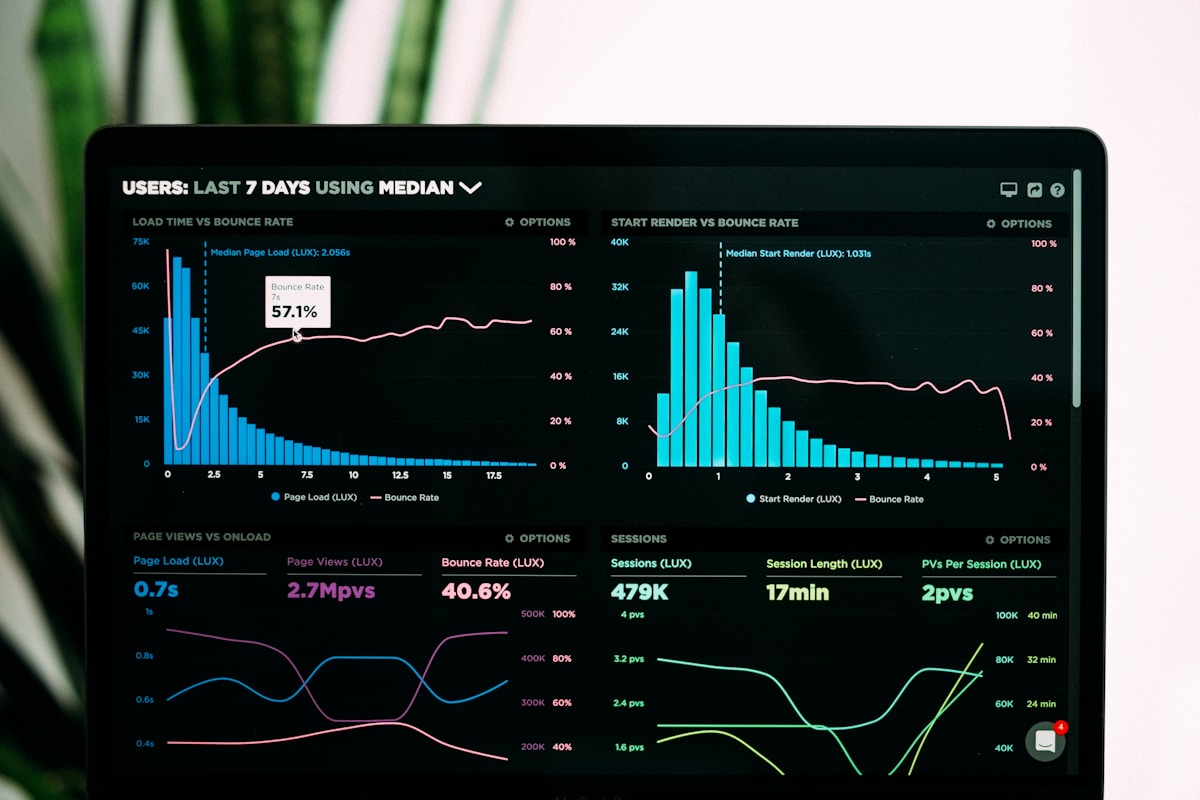
Most multi-location POS systems give you a summary dashboard with totals per location. That is fine, but not enough. What you actually need is the comparison view: which site is over-performing on Friday nights, which is under-performing on Sunday lunches, which is sitting on dead stock, which is spending three times the average on driver costs.
Aexir's analytics dashboard surfaces those comparisons natively. Filter by site, time of day, day of week. Drill into the worst-performing slot and see what items are not selling. That is where group margin comes from.
Common multi-location issues
- Customer orders from the wrong site. Cause: location picker buried in settings, not first-open. Solution: make the location picker the first screen for new users; remember choice thereafter.
- Loyalty stamps "double credit" between sites. Cause: loyalty linked to site, not customer. Solution: pick a platform where loyalty is on the customer profile, not the site.
- Different opening hours cause confusion. Cause: site hours stored at app level, not site level. Solution: per-site opening hours, with the app refusing orders outside those windows.
- Manager at Site B cannot see Site B-only reports. Cause: admin dashboard shows group totals only. Solution: role-based access where site managers see their site, regional managers see their region, owner sees all.
- Marketing pushes the wrong promo to the wrong site. Cause: push targeting is app-wide. Solution: per-site push notification targeting (only customers who have ordered from Site A get the Site A promo).
The maths on a 3-site UK group
Take a real-world example. A small UK group, three sites, 40 orders per site per day on average, £17 average ticket. Annual gross revenue across the group: £744,600. Currently 65% on Uber Eats at 30% commission, 35% on phone and walk-in.
| Scenario | Annual UE commission | Annual Aexir cost (3 sites) | Year-one saving |
|---|---|---|---|
| Status quo | £145,197 | £0 | £0 |
| Move 30% to own app, year 1 | £123,418 | £2,610 | £19,169 |
| Move 50% to own app, year 1 | £108,898 | £3,705 | £32,594 |
| Move 70% to own app, year 1 | £94,378 | £4,800 | £46,019 |
Aexir cost = £399 setup + £372 base subscription + 2 extra locations at £1/day = £730 location fees + 10p per order on shifted volume. Year 1 totals.
What to look for in a multi-location builder
- Single customer database across all sites. One customer profile, one loyalty balance, one order history.
- Per-site menu management with shared item library. Update the burger once, push to whichever sites you want.
- Group-level brand consistency, site-level flexibility for hours, pricing, stock.
- Role-based admin access. Site managers see their site, owner sees all.
- Push notifications targetable per-site. Promote a Friday-night deal at one site only without spamming the other two.
- Analytics filterable by site, with built-in comparison views.
- Transparent per-location pricing. Avoid platforms that double the subscription per site; you should pay incrementally, not multiplicatively.
Aexir handles multi-location out of the box.
£1 per day per extra location on top of the base subscription. Per-site menus, group loyalty, site-aware reporting.
See pricing for groupsCommon questions answered.
Yes, if the app is built for it. A multi-location ordering app shows customers a location picker on first open, supports per-site menus and pricing, respects per-site opening hours, and gives you group-wide reporting with per-site drill-down. Aexir supports up to unlimited locations at £1 per day per extra site beyond the first.
It depends on branding. If all your locations share one brand, one app with location-switching is the right answer; customers download once. If you operate multiple distinct brands (different cuisines, different concepts), each brand should get its own app with its own loyalty programme.
On a properly built multi-location platform, loyalty is at the customer level, not the site level. A customer earning Bronze at Site A keeps their progress when they order at Site B. Aexir handles this by default; the group shares one customer database and one loyalty balance per customer.
On Aexir, the base subscription is £31 per month plus £1 per day per extra location beyond the first. A three-site group costs roughly £61 per month total (£31 base + £30 per month for 2 extra sites), plus £399 one-time setup and 10p per completed order. No marketplace commission on any sale.
Yes, with the right platform. Aexir's analytics dashboard filters by site, time of day, and day of week, with built-in comparison views so you can spot which site is over- or under-performing. Role-based access lets site managers see their site, regional managers see their region, and the owner sees all.



Build your own restaurant app.
Aexir launches branded ordering apps for UK restaurants in under 30 days. No marketplace commission. From £1/day.